
Converting a garage into living space generates significant waste from demolition, framing, insulation, and finishing. This guide covers the waste planning side of garage conversions in Jacksonville.
Garage Conversion Guide and Waste Planning
Garage conversions have become one of the most popular home improvement projects in Jacksonville. Whether you are creating a home office, an in-law suite, a rental apartment, or additional living space for a growing family, converting an attached or detached garage involves a substantial amount of construction waste that most homeowners do not anticipate. Understanding what debris to expect at each stage of the project helps you plan ahead, choose the right dumpster size, and keep your property clean throughout the renovation.
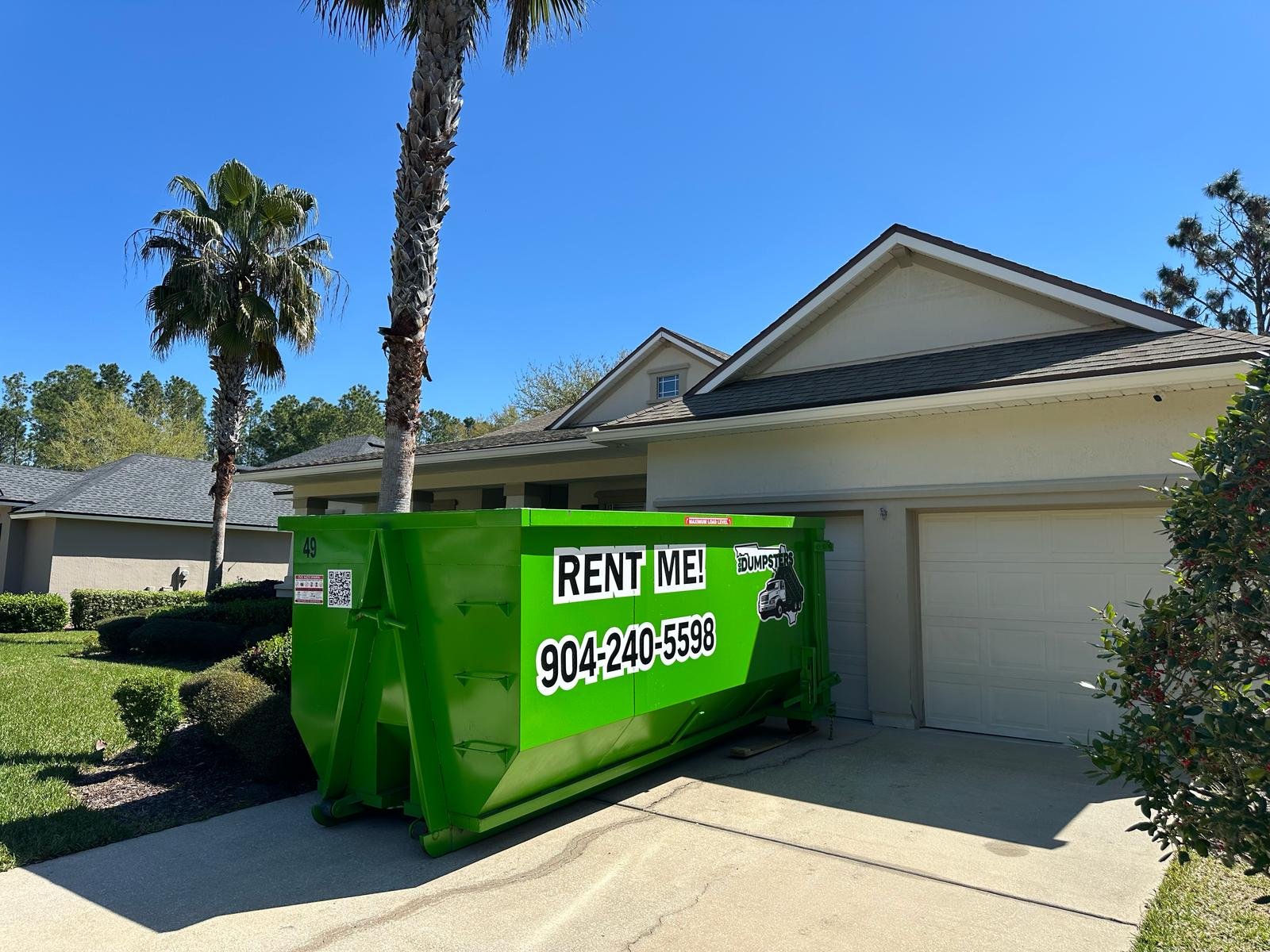
Garage conversions generate more debris than most homeowners expect, and 904 Dumpster has served these Jacksonville projects since 2016 with 10, 15, and 20-yard containers from $299.
Why Waste Planning Matters for Garage Conversions
A standard two-car garage conversion in Jacksonville generates between 8 and 15 cubic yards of waste depending on the scope of work involved. That is more than most homeowners expect, and it accumulates fast. Without a plan for debris removal, waste piles up in your driveway or yard, slows down the work, creates safety hazards, and can even violate City of Jacksonville code enforcement rules about debris storage.
By having a residential dumpster rental on-site from day one, your contractor or work crew can load debris as it is generated. This keeps the workspace clean, makes inspections easier, and prevents the frustrating cycle of stopping work to haul loads to the dump.
Explore Our Services
Garage Conversion Permits and What They Mean for Your Timeline
Before we get into the waste details, it is worth noting that garage conversions in Jacksonville and Duval County almost always require a building permit. The permit process affects your waste planning timeline because inspections happen at specific stages, and debris needs to be cleared before inspectors arrive.
The City of Jacksonville Building Inspection Division handles permits for garage conversions. You will typically need permits for structural work, electrical, plumbing (if adding a bathroom or kitchenette), and mechanical (HVAC). Each inspection must pass before the next phase of work begins, which means debris from the previous phase needs to be removed promptly.
Homeowners in Orange Park, Fleming Island, and Green Cove Springs should check with Clay County for their specific permit requirements, as they differ from Duval County.
Phase-by-Phase Waste Breakdown
Phase 1 - Clearing Out the Garage
Before any conversion work begins, you need to empty the garage completely. Most Jacksonville garages are packed with years of accumulated belongings: tools, holiday decorations, old furniture, sporting equipment, paint cans, and general clutter.
This initial cleanout alone can fill a 10-yard dumpster for a well-packed two-car garage. For garages with heavy accumulation, a 15-yard dumpster is a safer choice. Check out our garage cleanout guide for detailed tips on sorting through everything.
Typical waste from this phase:
Phase 2 - Demolition and Removal
Once the garage is empty, the conversion work begins with demolition. This is the most waste-intensive phase and produces the heaviest debris, the bulk of which qualifies as construction and demolition debris that should be managed responsibly. Common demolition tasks include:
Typical waste from this phase:
Phase 3 - Framing and Insulation
The framing phase produces less waste than demolition, but there are still offcuts and packaging materials to manage. New framing lumber generates ends and scraps. Insulation comes in packaging that takes up significant volume. Window and door installations produce packaging materials, shims, and trim offcuts.
Typical waste from this phase:
Phase 4 - Finishing Work
The finishing phase includes drywall installation, flooring, painting, trim work, and fixture installation. Each of these tasks produces its own waste stream:
You Might Also Read
How Much Waste Does a Garage Conversion Produce?
Here is what we typically see from garage conversion projects in the Jacksonville area:
| Garage Type | Total Estimated Waste | Recommended Dumpster |
|---|---|---|
| Single-car garage (basic conversion) | 5-8 cubic yards | 10-Yard or 15-Yard |
| Two-car garage (standard conversion) | 10-15 cubic yards | 15-Yard or 20-Yard |
| Two-car garage with bathroom addition | 12-18 cubic yards | 20-Yard |
| Large garage with full apartment buildout | 15-20+ cubic yards | 20-Yard (may need second load) |
"Great, reliable dumpster service! Always on time with delivery and pickup, fair pricing, and excellent communication. Makes every project run smoother."
- Redi Tufa, Google Review
Dumpster Sizes for Your Project
Will Converting a Garage Add Value to Your Jacksonville Home?
This is one of the most common questions homeowners ask, and it directly affects how much you should invest in the project, including waste management. In Jacksonville's real estate market, a well-done garage conversion that adds a bedroom, bathroom, or livable square footage can increase home value by $20,000 to $50,000 or more depending on the neighborhood and quality of the work.
However, conversions done without permits can actually decrease property value. Unpermitted work creates problems during home inspections, title searches, and mortgage appraisals. The cost of pulling proper permits is minimal compared to the long-term value, and it ensures the work meets safety codes for electrical, plumbing, and structural integrity.
Neighborhoods in Jacksonville where garage conversions tend to add the most value include Riverside, San Marco, Murray Hill, Springfield, and the beaches communities in Jacksonville Beach and Atlantic Beach where space is at a premium.
Waste Management Tips for Garage Conversions
Schedule Dumpster Delivery Before Demo Day
Have the dumpster on-site before demolition begins. This way, debris goes directly into the container instead of piling up on the ground. Book online at least two days before your project start date to guarantee availability.
Separate Heavy Materials
If your conversion involves breaking up concrete, keep that material separate from general construction debris. Concrete is extremely heavy, about 2,000 pounds per cubic yard, and mixing it with lighter materials can cause weight limit issues. Ask about our concrete disposal dumpster option for heavy materials.
Plan for Multiple Phases
Some homeowners prefer to have one dumpster for the cleanout and demolition phase, then swap for a fresh dumpster during the construction and finishing phase. This is especially useful for larger two-car garage conversions where total waste exceeds 15 cubic yards.
Keep the Driveway Accessible
Since the garage is the project site, dumpster placement needs careful consideration. We typically place the dumpster on the driveway near the street or on a flat section of the yard. Make sure your contractor still has access to the work area and that delivery trucks can reach the site.
Garage Conversions in Northeast Florida Communities
Garage conversions are popular throughout Northeast Florida, not just in Jacksonville proper. Homeowners in St. Augustine, Ponte Vedra, and Fernandina Beach are also converting garages to add living space, home offices, and rental units. We deliver dumpsters throughout the region with the same flat-rate pricing and reliable service.
For properties in Middleburg and Clay County, the permit process goes through the Clay County Building Department rather than the City of Jacksonville, so check local requirements before starting your project.
Frequently Asked Questions
A basic garage conversion in Jacksonville typically costs $15,000 to $30,000 for a standard finish. Adding a bathroom can add $5,000 to $15,000, and a full apartment-style conversion with kitchen and bathroom can run $30,000 to $60,000 or more. Budget $299 to $750 for dumpster rental depending on the scope of debris.
Yes. The City of Jacksonville requires building permits for garage conversions that involve structural changes, electrical work, plumbing, or HVAC installation. Converting a garage without a permit can result in fines, required removal of the work, and complications when selling the home.
For a single-car garage conversion, a 10-yard or 15-yard dumpster is usually sufficient. For a two-car garage conversion, plan on a 15-yard or 20-yard dumpster. If the project includes significant concrete work or a bathroom addition, the 20-yard is the safest choice.
A properly permitted garage conversion that meets building codes for habitable space, including requirements for egress windows, ceiling height, insulation, and ventilation, is legal to live in. An unpermitted conversion does not meet these safety standards and is not considered legal living space by the City of Jacksonville.
Most garage conversions take 4 to 8 weeks depending on scope, permit approval times, and contractor availability. Plan for the first week to involve cleanout and demolition, which is the most waste-intensive period. Our standard 5-day dumpster rental covers that initial phase well, and you can extend or schedule a second rental for the later phases.
Tags
Related Articles
How to Clean Out Your Garage Without Losing Your Mind
A complete step-by-step guide to tackling your garage cleanout in Jacksonville, from sorting and organizing to choosing the right dumpster size for all that junk.
What Size Dumpster Do I Need? Complete Dumpster Size Guide
The right dumpster size saves money and prevents project delays. This guide covers every common roll-off size with exact dimensions, weight allowances, and project recommendations so you pick the right fit on the first call.
Yard Drainage Solutions and Debris Removal Guide
Yard drainage projects generate significant amounts of dirt, gravel, old pipe, and landscaping debris. Understanding what waste to expect and how to dispose of it keeps your drainage project on schedule and your property clean.