
Basement renovations in Northeast Florida often start with water damage cleanup and end with a transformed living space. This guide covers the waste management side of every phase, from leak remediation to finishing.
Basement Renovation Waste Guide From Leaks to Living Space
Basements represent some of the most underutilized square footage in a home. Whether your basement has been sitting empty, serving as a disorganized storage dump, or suffering from persistent moisture problems, converting it into livable space generates a unique set of waste challenges. Water-damaged materials, old insulation, outdated fixtures, and years of accumulated junk all need to go before the real renovation work can begin. Planning for that debris from the start makes the entire project smoother and more efficient.
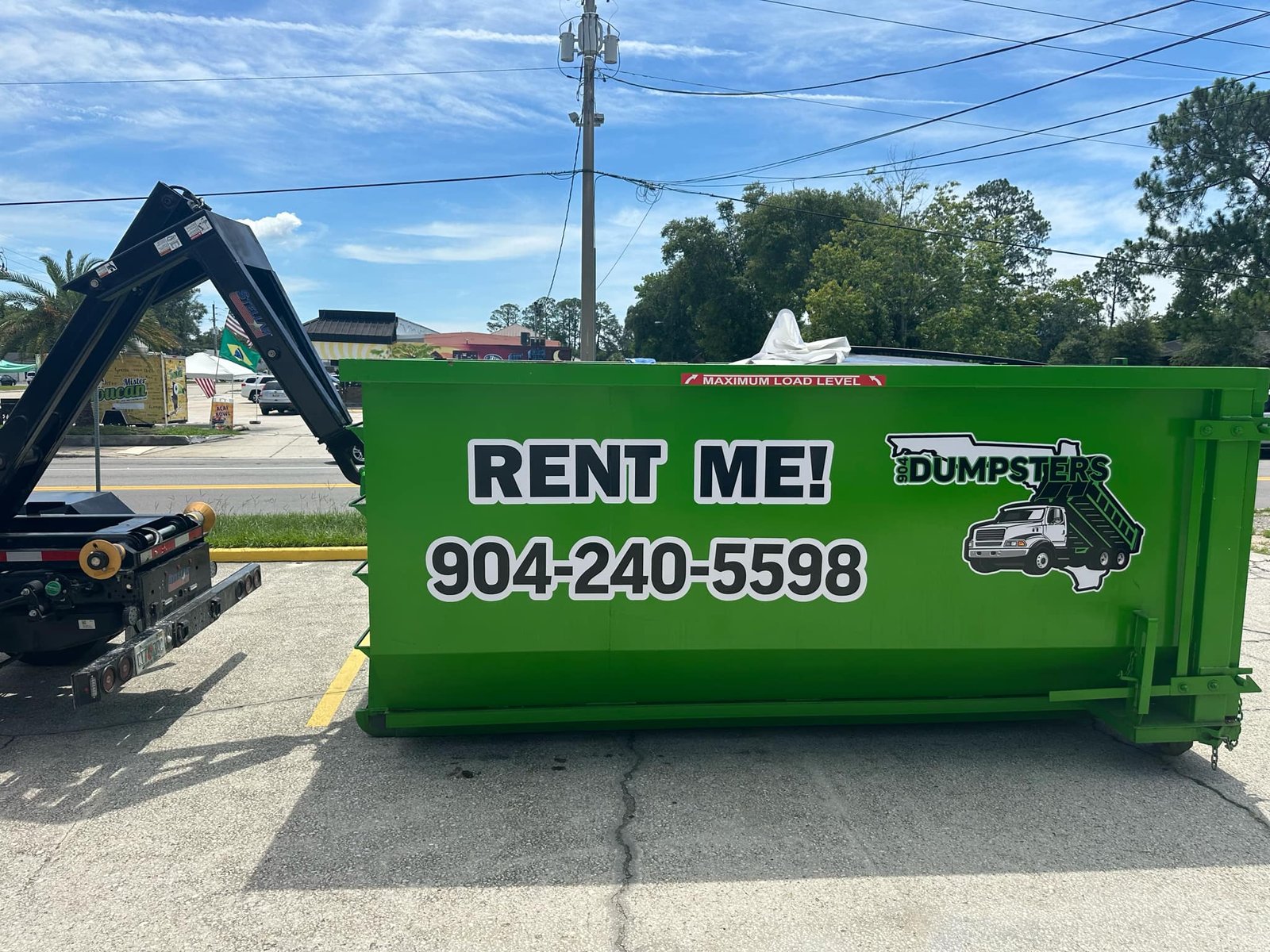
Since 2016, 904 Dumpster has been the local choice for Jacksonville basement renovation debris, offering 10, 15, and 20-yard containers from $299 flat.
Understanding Northeast Florida Basements
While full basements are less common in Jacksonville proper due to the high water table and sandy soil, they are more prevalent in certain areas of Northeast Florida, particularly in older homes and elevated properties in communities like St. Augustine, Ponte Vedra, and some neighborhoods in Clay County including Green Cove Springs and Middleburg. Many homes also have partial basements, crawl spaces that have been enclosed, or ground-level lower floors that function similarly to basements.
Florida's climate creates unique challenges for below-grade and ground-level spaces. High humidity, heavy seasonal rains, and occasional flooding mean that moisture intrusion is the most common issue homeowners face before they can even begin a basement renovation.
Explore Our Services
Phase 1 - Dealing With Water Damage and Moisture
Why Does My Basement Smell Musty?
That musty smell is almost always mold and mildew growing on organic materials in a damp environment. In Northeast Florida's humid climate, any below-grade or poorly ventilated space is susceptible. The source of moisture could be a leak in the foundation wall, poor drainage around the home's perimeter, condensation from temperature differences, or groundwater seepage through the slab.
Before any renovation can begin, the moisture source needs to be identified and addressed. This is a critical step because renovating over existing water damage guarantees you will be doing the work again in a few years.
Water Damage Waste
Cleaning up water damage produces a significant amount of waste that needs to go before renovation materials arrive:
A basement water damage cleanup typically produces 4 to 8 cubic yards of waste depending on the severity and the area affected. A 10-yard dumpster handles most water damage cleanups, while severe cases may need a 15-yard dumpster.
"904 Dumpster was by far the best dumpster service I've used yet. Dumpsters were in great shape, empty when they were dropped and the price was very good!"
- Paul Yarger, Google Review
Phase 2 - Clearing Out and Organizing
Most basements serve as the home's primary storage area, and clearing decades of accumulated items is a project in itself. The approach is similar to an estate cleanout or a major home cleanout: sort everything into keep, donate, sell, and dispose categories.
Common items found during Jacksonville basement cleanouts include:
Be aware that some items commonly stored in basements cannot go in a dumpster. Paint, chemicals, batteries, propane tanks, and other hazardous materials require special disposal through the City of Jacksonville Household Hazardous Waste program. For details, read our guide on what cannot go in a dumpster.
How to Organize an Unfinished Basement
If you are not fully converting the space but want to organize it better, a cleanout is still the first step. Rent a dumpster to remove everything you no longer need, then invest in proper shelving, waterproof storage containers, and dehumidification. A 10-yard dumpster is usually the right size for an organizational cleanout where you are keeping most items but disposing of damaged and unwanted ones.
You Might Also Read
Phase 3 - Demolition and Preparation
Once the basement is cleared and any moisture issues are addressed, the demolition phase begins. This is the most waste-intensive phase of any basement renovation:
| Demolition Task | Typical Waste Volume | Weight Considerations |
|---|---|---|
| Removing old drywall (full basement) | 3-5 cubic yards | Moderate weight, about 50-60 lbs per 4x8 sheet |
| Removing old flooring | 2-4 cubic yards | Heavy if tile/concrete, light if carpet |
| Removing old framing | 1-3 cubic yards | Moderate weight |
| Removing old ceiling materials | 1-2 cubic yards | Light (drop ceiling tiles) to moderate (drywall) |
| Bathroom or kitchenette demolition | 2-3 cubic yards | Moderate to heavy |
A full basement renovation demolition typically produces 8 to 15 cubic yards of debris. A 15-yard dumpster is the most popular choice for this phase, and a 20-yard dumpster gives you extra room if the scope is large or you are also removing stored items.
Dumpster Sizes for Your Project
Phase 4 - Construction and Finishing Waste
The rebuild phase produces less waste than demolition but still generates material that needs disposal. New framing lumber creates offcuts, drywall installation produces scraps, flooring has leftover pieces, and packaging materials from new fixtures, cabinets, and appliances add up.
Plan for an additional 3 to 5 cubic yards of construction waste during the finishing phase. Some homeowners opt for a second dumpster rental during this phase, while others time their single rental to cover both demolition and early construction.
Turning a Basement Into an Apartment
Converting a basement into a separate apartment or efficiency unit is a growing trend, especially for homeowners looking to generate rental income. In Jacksonville and Northeast Florida, this type of conversion requires careful planning around permits, building codes, and waste management.
The waste from a full apartment conversion is at the higher end of the spectrum because you are adding a kitchen, bathroom, separate entrance, and complete living space. Plumbing rough-in work, HVAC installation, and fire safety requirements all generate additional construction waste beyond a standard renovation.
For apartment-level conversions, plan on a 20-yard dumpster for the demolition phase and potentially a second rental for the construction phase. The total waste output can reach 15 to 25 cubic yards across the entire project.
Waste Management Tips for Basement Renovations
Get the Dumpster Close to Your Access Point
Basements have limited access, often just one stairway or a basement door. Position the dumpster as close as possible to the exit point to minimize carrying distance. If your basement has a walkout door or a bilco-style hatch, that is ideal for loading debris directly into the container.
Protect the Route From Basement to Dumpster
You will be carrying dirty, dusty, and potentially mold-contaminated materials through your home. Lay heavy-duty plastic sheeting or cardboard along the path from the basement stairs to the exterior door. This protects your flooring and makes cleanup much easier.
Handle Mold-Contaminated Materials Carefully
If mold is present, bag contaminated materials in heavy-duty contractor bags before carrying them through the house. Mold spores spread easily through the air, and you do not want to contaminate the rest of your home during the cleanout.
Check Foundation Before Starting
Before investing in a basement renovation, have the foundation inspected. Cracks, settling, and structural issues should be addressed before any finishing work begins. Foundation repair work can generate its own waste, primarily concrete and soil, so factor that into your dumpster planning.
Booking Your Dumpster for a Basement Renovation
Ready to start your basement renovation? Book a dumpster online or call us at (904) 240-5598. We deliver throughout Jacksonville, Orange Park, Fleming Island, St. Augustine, and all of Northeast Florida. Visit our pricing page for full details on rates and included services.
Frequently Asked Questions
In Northeast Florida, a full basement-to-apartment conversion typically costs $30,000 to $75,000 depending on size, finishes, and whether plumbing and electrical need to be added from scratch. Dumpster rental for the project runs $299 to $750 total, depending on the number of loads required.
Persistent odors usually indicate an ongoing moisture problem. Musty smells come from mold and mildew growing in hidden areas: behind walls, under flooring, or in the ceiling cavity. Until the moisture source is eliminated and all contaminated materials are removed and disposed of, the smell will return.
A full basement renovation produces 10 to 20 cubic yards of waste across all phases: cleanout, water damage remediation, demolition, and construction. The demolition phase alone typically generates 8 to 15 cubic yards. Plan for a 15-yard or 20-yard dumpster depending on the scope.
Yes. Water-damaged drywall, insulation, carpet, furniture, and other household materials are all accepted in our dumpsters. The only restriction is on materials contaminated with sewage or hazardous chemicals, which require specialized disposal.
If the renovation involves structural changes, electrical work, plumbing, or HVAC, yes. A standard finishing project that adds drywall, flooring, and paint to an already-framed basement may not require a permit, but it is always best to check with the City of Jacksonville Building Inspection Division or your local building department.
Tags
Related Articles
Kitchen Renovation Debris and How to Dispose of It Safely
Kitchen renovations generate more debris than most homeowners expect. From cabinets and countertops to flooring and appliances, here is everything you need to know about managing kitchen renovation waste.
Attic and Basement Cleanout Decluttering and Disposal Guide
Attics and basements are where the clutter hides. When it is time to finally clean them out, knowing how to dispose of large furniture, old cabinets, and bulky items makes the project manageable.
Yard Drainage Solutions and Debris Removal Guide
Yard drainage projects generate significant amounts of dirt, gravel, old pipe, and landscaping debris. Understanding what waste to expect and how to dispose of it keeps your drainage project on schedule and your property clean.