
Discovering a roof leak is stressful, but knowing how to find the source and prepare for the repair process makes everything more manageable. This guide covers what to expect from roof leak repair and how to handle the waste.
How to Find and Prepare for a Roof Leak Repair
A roof leak is one of those home problems that demands immediate attention. Left unaddressed, even a small leak can lead to mold growth, structural damage, ruined insulation, and thousands of dollars in additional repairs. For Jacksonville homeowners, the combination of heavy summer thunderstorms, hurricane season, and intense UV exposure means roofs take a beating year-round. Knowing how to find a roof leak, what the repair process involves, and how to plan for the resulting waste puts you in control of the situation instead of scrambling to react.
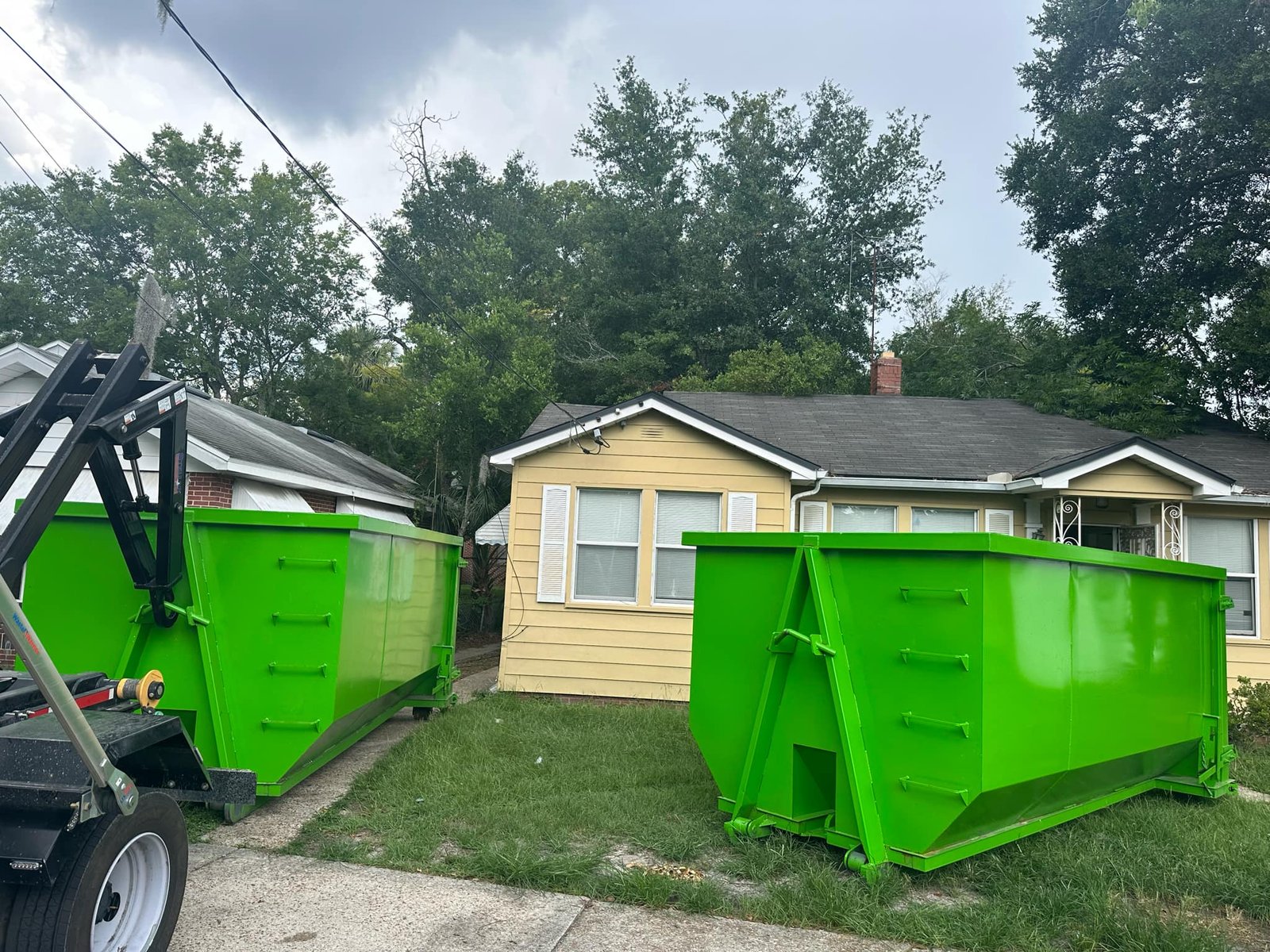
Roofing debris is heavy and time-sensitive, and 904 Dumpster has hauled it across Jacksonville and Northeast Florida since 2016, in 10, 15, and 20-yard sizes from $299.
Signs You Have a Roof Leak
Before you can plan a repair, you need to confirm you actually have a roof leak and not a plumbing issue or condensation problem. Here are the most common indicators Jacksonville homeowners notice.
Interior Warning Signs
Water stains on ceilings are the most obvious sign, but leaks often show up in subtler ways first. Peeling paint on upper walls, bubbling or discolored ceiling texture, musty odors in rooms below the attic, and damp spots that appear after rain are all signals. In Jacksonville's humid climate, mold can take hold within 24 to 48 hours of moisture intrusion, so even minor discoloration deserves investigation.
Attic Evidence
If you have attic access, a visual inspection can reveal a lot. Look for daylight coming through the roof boards, dark stains or streaks on the underside of the decking, wet insulation, and any signs of mold or mildew. After a rainstorm, check the attic with a flashlight while it is still raining if possible. Water trails on rafters and sheathing can lead you directly to the entry point.
Exterior Clues
From the ground or a safe vantage point, look for missing or damaged shingles, cracked or curling shingles, damaged flashing around chimneys and vents, and clogged or overflowing gutters. Florida sun exposure causes asphalt shingles to deteriorate faster than in cooler climates. Shingles that look worn, buckled, or granule-depleted may be allowing water through even without an obvious hole.
Explore Our Services
How to Find a Leak on a Shingle Roof
Finding the exact source of a roof leak can be tricky because water rarely drips straight down from the entry point. Water enters the roof at one location and then travels along rafters, sheathing, and insulation before it shows up as a stain on your ceiling. The ceiling stain might be several feet away from where the water actually enters.
Trace the Water Path
Start at the ceiling stain and work backward. Go into the attic and follow any water trails upward toward the roof deck. Water tends to travel downhill along the bottom of rafters, so trace the wet path uphill from the stain.
Check Common Leak Points
Most roof leaks on shingle roofs occur at penetrations and transitions, not in the middle of flat shingle fields. Focus your inspection on these areas:
| Common Leak Location | Why It Leaks |
|---|---|
| Chimney flashing | Sealant deteriorates, flashing separates from masonry |
| Plumbing vent boots | Rubber gaskets crack from UV exposure |
| Roof valleys | Shingles and underlayment wear faster where water concentrates |
| Step flashing along walls | Improper overlap or corrosion allows water behind siding |
| Skylight frames | Seals age and flashing connections fail |
| Ridge vent | Damaged cap shingles or improperly installed vent |
For Jacksonville specifically, plumbing vent boots are one of the most common failure points because the intense Florida sun degrades the rubber gaskets within 8 to 12 years even on an otherwise sound roof.
Call a Professional for Inspection
While identifying signs is something any homeowner can do, pinpointing the exact leak source and assessing the full extent of damage is best left to a licensed roofing contractor. A professional inspection typically costs between $150 and $400 in the Jacksonville area and can save you from paying for repairs that miss the actual problem.
What to Expect During Roof Leak Repair
Once the leak source is identified, the repair scope depends on how localized or widespread the damage is.
Minor Repairs
A small area of damaged shingles, a deteriorated vent boot, or failed flashing around a single penetration can usually be repaired in a few hours. Waste from minor repairs is minimal: a bundle or two of old shingles, some old flashing, a few pieces of damaged underlayment, and maybe a section of rotted decking. This level of waste can typically fit in a few heavy-duty trash bags.
Moderate Repairs
If the leak has affected a larger section of the roof, or if the roofer discovers underlying damage to the decking or underlayment during the repair, the scope grows. Moderate repairs might involve stripping and reshingling one side of the roof or a significant section. This generates several hundred pounds of old shingles, underlayment, and possibly plywood decking. A 10-yard dumpster handles moderate roof repairs well.
Full Roof Replacement
Sometimes a leak inspection reveals that the entire roof has reached the end of its service life. In Jacksonville, asphalt shingle roofs typically last 15 to 25 years depending on quality and weather exposure. A full roof replacement on a typical 1,500 to 2,500 square-foot Jacksonville home generates 3 to 5 tons of waste including old shingles, underlayment, flashing, damaged decking, nails, and ridge vents. A 20-yard dumpster is the standard choice for full roof replacements.
| Repair Scope | Estimated Waste | Recommended Dumpster |
|---|---|---|
| Minor patch repair | Under 500 lbs | Trash bags or small pickup load |
| Moderate section repair | 500-2,000 lbs | 10-yard dumpster |
| Full roof replacement (small home) | 2,000-4,000 lbs | 15-yard dumpster |
| Full roof replacement (large home) | 4,000-8,000+ lbs | 20-yard dumpster |
Dumpster Sizes for Your Project
You Might Also Read
Preparing Your Property for Roof Work
Roof work affects your entire property, not just the roof itself. Preparing in advance protects your belongings and keeps the project running smoothly.
Protect Your Landscaping and Property
Roofing debris falls. Old shingles, nails, and torn underlayment will come off the roof and land on everything below. Move vehicles away from the house. Relocate patio furniture, grills, and potted plants. Cover landscaping beds near the house with tarps. If you have a swimming pool, cover it before work begins.
Clear Attic Access
Your roofer may need to access the attic to inspect damage from below. Clear a path to the attic access point and move any stored items away from the area directly under the leak.
Plan for Noise and Disruption
Roof work is loud. If you work from home, plan to work elsewhere or use noise-canceling headphones. If you have pets that are sensitive to noise, arrange for them to stay elsewhere during the tear-off day. Let your neighbors know about the project in advance, especially in tightly spaced neighborhoods throughout Jacksonville.
Arrange Waste Disposal Before Work Begins
Your roofing contractor may provide their own dumpster, or they may ask you to arrange one. Either way, confirm the waste disposal plan before the first day of work. Having a residential dumpster rental or construction dumpster rental on-site from day one prevents debris from piling up on your lawn.
Roofing Waste Disposal in Jacksonville
Asphalt shingles are one of the most common forms of construction waste in Northeast Florida. The good news is that asphalt shingles can often be recycled. Several facilities in the Jacksonville area accept old shingles for processing into road base material and other asphalt products. When you rent a dumpster from 904 Dumpster, we handle the hauling and proper disposal for you.
Items that come off roofs but cannot go in a standard dumpster include any materials containing asbestos, which may be found in roofing materials on homes built before 1980. If your home is older, your contractor should test suspect materials before removal. For more about restricted items, see our guide on what cannot go in a dumpster.
We serve homeowners throughout Northeast Florida including St. Augustine, Fernandina Beach, Jacksonville Beach, and Orange Park. No matter where your roof project is located, we deliver fast with the same flat-rate pricing.
How to Book a Dumpster for Your Roof Project
Book online 24/7 or call us at (904) 240-5598. Visit our pricing page for current rates on all dumpster sizes. If you are unsure which size you need, our team can help you estimate based on your roof size and project scope. You can also consult our dumpster sizes explained guide for a detailed comparison.
Frequently Asked Questions
Start by looking for water stains on ceilings and walls. Access your attic during or right after rain and use a flashlight to follow water trails along the underside of the roof decking. Water enters at one point and often travels along rafters before dripping, so trace the wet path uphill to find the entry point. Common sources include damaged flashing, cracked vent boots, and worn shingles in roof valleys.
A full roof replacement on a typical Jacksonville home generates between 3 and 5 tons of waste, primarily old asphalt shingles, underlayment, and damaged decking. A 20-yard dumpster handles most full replacements. Smaller section repairs produce less waste and may only need a 10-yard or 15-yard dumpster.
Yes, asphalt shingles can be recycled into road base material and other paving products. Several facilities in the Jacksonville area accept old shingles. When you rent a dumpster from 904 Dumpster, we ensure materials are taken to appropriate disposal and recycling facilities.
Minor leak repairs can be completed in a few hours. A moderate section repair might take one to two days. A full roof replacement on a standard Jacksonville home typically takes two to four days depending on weather, roof complexity, and crew size. Plan your dumpster rental to cover the full project duration plus a buffer day.
For a minor patch repair involving just a few shingles and a vent boot, heavy-duty trash bags may be enough. For anything involving more than about 50 square feet of roof area, a 10-yard dumpster makes the cleanup much easier and keeps sharp nails and debris contained safely.
Tags
Related Articles
What Size Dumpster Do I Need? Complete Dumpster Size Guide
The right dumpster size saves money and prevents project delays. This guide covers every common roll-off size with exact dimensions, weight allowances, and project recommendations so you pick the right fit on the first call.
What Can and Cannot Go in a Dumpster Rental Container
Knowing what can and cannot go in a dumpster prevents extra fees, load rejection, and potential fines. This complete guide covers accepted items, prohibited materials, and disposal alternatives for everything in between.
Yard Drainage Solutions and Debris Removal Guide
Yard drainage projects generate significant amounts of dirt, gravel, old pipe, and landscaping debris. Understanding what waste to expect and how to dispose of it keeps your drainage project on schedule and your property clean.