
Concrete, bricks, and cinder blocks are some of the heaviest materials to dispose of. This guide covers disposal methods, recycling options, cost estimates, and the right dumpster size for heavy debris projects.
How to Dispose of Concrete, Bricks, and Heavy Debris
Tearing out a concrete patio, removing an old brick walkway, or demolishing a cinder block wall creates a disposal challenge that regular trash service cannot handle. Concrete and masonry are extremely heavy, difficult to transport, and not accepted by most standard waste collection programs. Whether you are a homeowner tackling a weekend project or a contractor managing a construction site, this guide explains your disposal options, costs, and the best approach for heavy debris in Jacksonville.
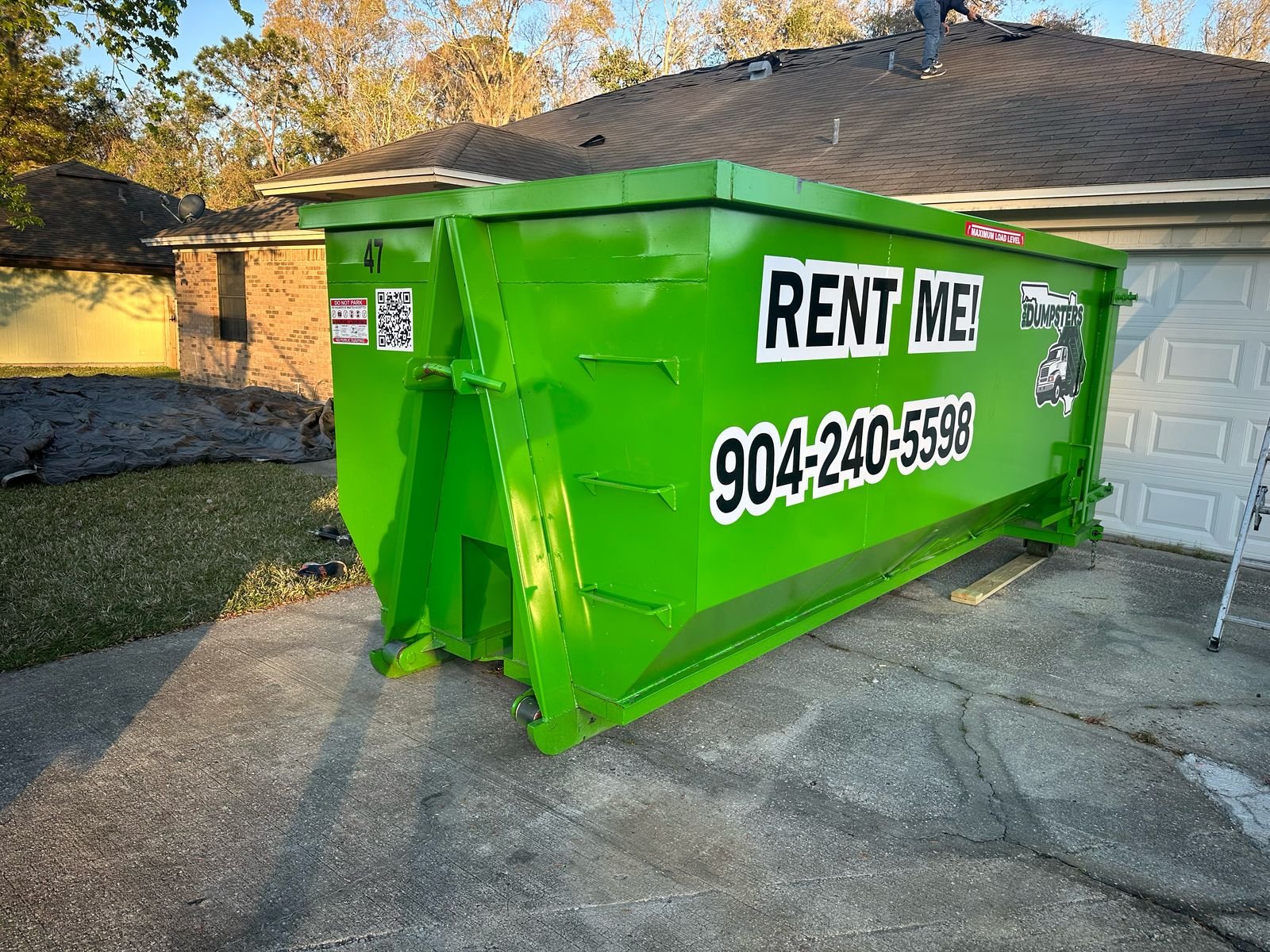
Concrete and brick push weight limits fast, which is why 904 Dumpster has served Jacksonville and Northeast Florida heavy-debris jobs since 2016 with 10, 15, and 20-yard containers from $299.
Why Concrete and Brick Disposal Is Different
The main challenge with disposing of concrete is weight. One cubic yard of concrete weighs approximately 4,000 pounds (2 tons). Compare that to household junk at 200 to 300 pounds per cubic yard. A small pile of concrete chunks that looks manageable can easily weigh several tons.
This weight creates two practical problems:
The good news is that concrete, brick, and other masonry materials are some of the most recyclable construction and demolition materials available. Recycling is often cheaper than landfill disposal and keeps usable material out of the waste stream.
Explore Our Services
Disposal Options for Concrete and Masonry
Option 1 - Concrete Disposal Dumpster
A concrete disposal dumpster is the most common solution for homeowners and small contractors. We offer dumpsters specifically configured for heavy materials with appropriate weight allowances.
For concrete, brick, and cinder block loads, a 10-yard dumpster is usually the right choice. Even though the volume seems small, you will typically reach the weight limit long before the dumpster is full. Here is a weight estimation guide:
| Material | Weight per Cubic Yard | 10-Yard Dumpster (Estimated) |
|---|---|---|
| Concrete | ~4,000 lbs | 2-3 cubic yards fills weight limit |
| Brick | ~3,000 lbs | 2-3 cubic yards fills weight limit |
| Cinder blocks | ~2,500 lbs | 3-4 cubic yards fills weight limit |
| Stone/rock | ~2,600 lbs | 3-4 cubic yards fills weight limit |
| Asphalt | ~3,500 lbs | 2-3 cubic yards fills weight limit |
Important: Do not mix concrete with household debris or other light materials. Keeping heavy loads clean (concrete only, brick only) often qualifies for lower disposal rates at recycling facilities.
Dumpster Sizes for Your Project
Option 2 - Concrete Recycling
Can you recycle concrete? Yes, and it is increasingly the preferred disposal method. Concrete recycling facilities crush old concrete into aggregate that can be used for road base, fill material, and new construction. Jacksonville and Northeast Florida have several facilities that accept clean concrete.
What can be recycled:
What cannot be recycled as concrete:
If you are disposing of clean concrete, mention this when you book your dumpster. Clean loads may be directed to recycling facilities instead of landfills.
Option 3 - Self-Hauling to a Recycling Facility
If you have a pickup truck or trailer and a relatively small amount of concrete, you can haul it yourself to a concrete recycling facility. This is the cheapest concrete disposal option but requires significant physical effort and vehicle capacity.
Keep in mind that a standard pickup truck bed holds about 1 cubic yard, and a cubic yard of concrete weighs approximately 4,000 pounds, which exceeds the payload capacity of most consumer trucks. Transport small amounts carefully and make multiple trips if necessary.
Option 4 - Junk Removal Service
For homeowners who cannot load heavy materials themselves, a junk removal service or concrete junk removal team will handle the labor for you. Expect to pay more for this service because of the weight and effort involved. Concrete junk removal typically costs $200 to $600 or more depending on volume.
How to Get Rid of Specific Heavy Materials
How to Dispose of Old Bricks
How to dispose of bricks and concrete depends on their condition. Clean, intact bricks are often reusable and can be sold or given away to landscapers, gardeners, and DIY builders. In Jacksonville, Craigslist and Facebook Marketplace frequently have listings for free or cheap used bricks. Can you throw bricks in the trash? No. Standard trash collection will not accept bricks. Use a dumpster rental or recycle them.
Can you recycle bricks? Yes. Many concrete recycling facilities also accept brick. Clean brick (without excessive mortar) is preferred. Where to dispose of old bricks if they are damaged: load them into a concrete disposal dumpster along with other masonry debris.
How to Dispose of Cinder Blocks
Cinder blocks (concrete masonry units) can be recycled at concrete recycling facilities or disposed of in a dumpster. How to get rid of concrete blocks: stack them neatly in a 10-yard dumpster to maximize space. Like concrete, cinder blocks are heavy but recyclable. Can I throw bricks in the trash? The same answer applies to cinder blocks, they are too heavy for regular trash.
How to Get Rid of Concrete Chunks
Large concrete chunks from a patio, driveway, or sidewalk demolition project are best handled with a concrete disposal dumpster. How to get rid of concrete chunks efficiently: break them into manageable pieces (roughly 12 to 18 inches) before loading. This allows tighter packing and makes the loading process safer.
Rock and Stone Disposal
Rock removal cost per cubic yard varies from $50 to $150 depending on the type and volume. Decorative stone and landscape rock in good condition can often be resold or given away. Crushed or unusable rock goes in a dumpster. The weight considerations are similar to concrete, so a small dumpster with a generous weight allowance is the right approach.
You Might Also Read
Concrete Demolition Cost Estimates
If you are planning a concrete removal project, here are typical cost ranges for the Jacksonville area:
| Project | Concrete Demo Cost Estimate | Disposal Cost |
|---|---|---|
| Small patio (100-200 sq ft) | $500 - $1,500 | $299 - $399 (dumpster) |
| Driveway (400-600 sq ft) | $1,500 - $3,500 | $399+ (may need multiple loads) |
| Sidewalk (50-100 linear ft) | $500 - $1,200 | $299 - $349 (dumpster) |
| Retaining wall (small) | $800 - $2,000 | $299 - $399 (dumpster) |
| Pool removal (partial) | $3,000 - $7,000 | Multiple loads typically needed |
These estimates are for the demolition labor itself. Disposal via dumpster rental is additional. For demolition projects in Jacksonville, we can often coordinate delivery to match your contractor's schedule.
Tips for Managing Heavy Debris Projects
We serve the entire Northeast Florida area including St. Augustine, Orange Park, Ponte Vedra, and Fernandina Beach. Book your concrete disposal dumpster online or call (904) 240-5598.
Frequently Asked Questions
No. Bricks are too heavy for standard curbside trash collection and will not be picked up. Use a dumpster rental, take them to a concrete recycling facility, or list intact bricks for free pickup on marketplace sites.
Break the concrete into manageable pieces, then load them into a concrete disposal dumpster. A 10-yard dumpster is typically sufficient for a small to medium patio. For larger patios or driveways, you may need a 15 or 20-yard container or multiple loads.
Yes. Both concrete and bricks can be recycled at concrete recycling facilities. The material is crushed into aggregate used for road base and new construction. Clean loads without contamination are preferred for recycling.
A concrete disposal dumpster from 904 Dumpster starts at $299 for a 10-yard container. Self-hauling to a recycling facility costs $30 to $60 per load plus your time and fuel. Junk removal services charge $200 to $600 or more depending on volume.
Cinder blocks can go in a concrete disposal dumpster or be taken to a concrete recycling facility. Like concrete, they are very heavy, so a smaller dumpster with adequate weight capacity is the best option. Stack them neatly to maximize dumpster space.
Rock removal cost per cubic yard typically ranges from $50 to $150 depending on rock type, accessibility, and disposal method. This covers the hauling and disposal portion. Breaking up and loading the rock is additional if you hire labor.
Tags
Related Articles
How Much Does a Dumpster Weigh? Weight Limits and Tonnage Guide
Understanding dumpster weight limits prevents overage charges and keeps your project on budget. This guide covers weight capacities for every dumpster size and tips for estimating the weight of common materials.
What You Can Actually Recycle From Your Jacksonville Project
Many common construction materials can be recycled in Jacksonville, including metal, concrete, clean wood, cardboard, and asphalt. Recycling saves landfill space and can even reduce your disposal costs.
What Size Dumpster Do I Need? Complete Dumpster Size Guide
The right dumpster size saves money and prevents project delays. This guide covers every common roll-off size with exact dimensions, weight allowances, and project recommendations so you pick the right fit on the first call.