
Building code violations can delay home sales, increase renovation costs, and create unexpected cleanup projects. Jacksonville homeowners need to understand common house code violations and how fixing them generates waste that requires proper disposal.
Building Code Violations Every Homeowner Should Know
Whether you are buying an older home in Jacksonville, preparing a property for sale, or planning a renovation, building code violations can throw a wrench into your timeline and budget. Common building code violations range from unpermitted additions and improper electrical work to missing smoke detectors and inadequate egress windows. Correcting these house code violations often means tearing out non-compliant work and starting over, which creates construction debris that needs proper disposal. Understanding the most frequent home violations and what fixing them involves helps you plan ahead for both the renovation work and the waste it produces.
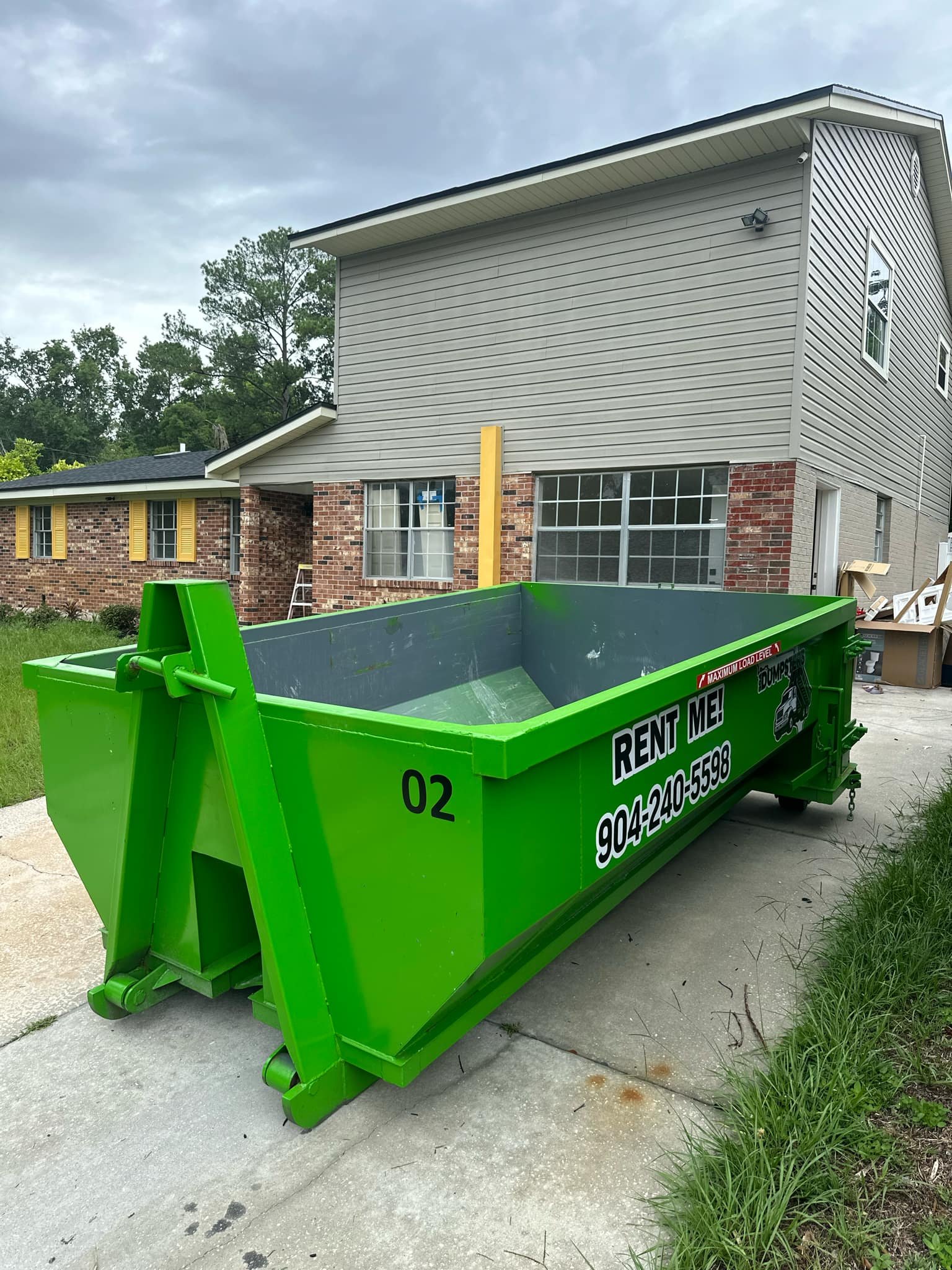
904 Dumpster, locally owned in Jacksonville since 2016, offers 10, 15, and 20-yard roll-off containers starting at $299 flat for code-compliance cleanups.
What Are Building Code Violations?
Building codes are the minimum construction standards that ensure a home is safe, structurally sound, and habitable. When work is done on a home that does not meet these standards, whether during the original construction or in later renovations, it is considered a code violation. In Jacksonville, the City of Jacksonville Building Inspection Division enforces the Florida Building Code through its permitting and code enforcement offices, which aligns with the International Building Code with state-specific amendments.
Code violations become a problem in several situations. Home inspections during a sale frequently uncover violations that previous owners never addressed. Insurance companies may refuse coverage or increase premiums on properties with known violations. And if you are planning your own renovation, starting work on a property that already has code issues can compound problems and create more waste when existing non-compliant work has to be demolished.
Explore Our Services
Most Common Building Code Violations
Unpermitted Additions and Conversions
This is the most common and costly violation in Jacksonville. Homeowners add rooms, enclose garages, convert attics into living spaces, or build outdoor structures without pulling permits or having the work inspected. One of the most frequently asked questions is whether you need a permit to finish an attic. In Jacksonville, the answer is yes. Converting an attic to a living space involves structural, electrical, plumbing, and egress requirements that all need permits and inspections.
When unpermitted work has to be corrected, it often means partially or fully demolishing the addition and rebuilding it to code. The waste from demolishing an unpermitted garage conversion or poorly built room addition can easily fill a 20-yard dumpster. Drywall, framing lumber, insulation, flooring, and fixtures all come out.
Electrical Code Violations
Improper electrical work is both common and dangerous. Missing GFCI outlets in kitchens and bathrooms, overloaded circuits, exposed wiring, improper panel connections, and outlets with reversed polarity are all frequent findings. Correcting electrical violations usually produces minimal waste compared to structural work, but if walls need to be opened to access wiring, you will generate drywall debris that needs disposal.
Plumbing Violations
Improper drain slopes, missing cleanouts, cross-connections, and non-code-compliant water heater installations are common plumbing violations in Jacksonville homes. Fixing plumbing violations can involve opening walls and floors to access pipes, which creates drywall, tile, and flooring waste.
Structural Modifications Without Engineering
Removing load-bearing walls, cutting floor joists for plumbing or HVAC runs, and modifying roof structures without engineering approval are serious violations that compromise the home's structural integrity. Correcting these violations requires removing the improper modifications and rebuilding to specification, often generating significant demolition debris.
Missing or Improper Egress
Bedrooms require egress windows large enough for emergency exit. Many older Jacksonville homes and especially converted spaces like finished attics and basement rooms lack proper egress. Adding or enlarging windows means cutting into exterior walls, removing siding and framing, and disposing of the old wall materials.
HVAC and Ventilation Issues
Improper ductwork routing, missing bathroom exhaust fans, inadequate attic ventilation, and non-code HVAC installations are common in Florida homes. Correcting HVAC violations produces sheet metal debris, old ductwork, insulation, and sometimes ceiling or wall materials.
Things to Look for When Buying an Old House
If you are in the market for an older Jacksonville home, particularly in historic neighborhoods like Springfield, Riverside, Avondale, or San Marco, knowing things to look for when buying an old house can save you from costly surprises.
| What to Check | Why It Matters | Potential Waste If Fixed |
|---|---|---|
| Permit history | Reveals unpermitted work | Demolition debris from removal |
| Electrical panel and wiring | Older homes may have outdated systems | Old wiring, panel, drywall patches |
| Plumbing material (galvanized, polybutylene) | Certain materials are failure-prone | Old pipes, drywall, flooring |
| Roof age and condition | Florida roofs deteriorate faster | Shingles, underlayment, decking |
| Foundation and grading | Settling causes structural issues | Concrete, soil, landscaping debris |
| Attic and garage conversions | Common unpermitted modifications | Full renovation debris if non-compliant |
Always request a comprehensive home inspection and check the City of Jacksonville building permit records for the property. Missing permits for obvious additions or renovations is a red flag that should be investigated before closing.
Dumpster Sizes for Your Project
You Might Also Read
How Code Violation Repairs Generate Waste
Fixing building code violations is fundamentally a demolition-and-rebuild process. Non-compliant work has to come out before compliant work can go in. This creates waste in several categories.
Demolition Debris
Tearing out unpermitted additions, removing non-code walls, and demolishing improperly built structures generate framing lumber, drywall, insulation, roofing materials, flooring, and hardware. A single unpermitted room demolition can produce 3 to 6 cubic yards of debris.
Replaced Materials
When systems like electrical wiring, plumbing pipes, or HVAC ductwork are replaced to meet code, the old materials become waste. Old galvanized pipes, outdated electrical panels, and deteriorated ductwork all need disposal. Some metals can be recycled at Jacksonville scrap yards. See our recycling guide for more details.
Finish Materials
Once structural and system corrections are made, finish materials like drywall, trim, paint, flooring, and fixtures from the non-compliant work are discarded and replaced. This secondary waste stream adds to the total volume.
Planning for Waste Disposal During Code Correction Projects
If you are facing a renovation project to correct building code violations, here is how to plan for waste management.
Estimate the Scope Before Starting
Have your contractor provide a written scope of work that includes an estimate of debris volume. A small code correction project like adding egress windows might only need a 10-yard dumpster. A major project like demolishing an unpermitted addition likely needs a 15-yard or 20-yard dumpster.
Time the Dumpster Delivery
Schedule dumpster delivery for the day demolition begins. Code correction projects often start with the biggest debris-producing phase, so you want the container ready from day one. For projects in Orange Park, St. Augustine, Fleming Island, and other Northeast Florida communities, we offer fast delivery, often same-day or next-day.
Plan for Multiple Loads If Necessary
Large violation correction projects may require more than one dumpster load, especially if the project involves heavy materials like concrete or tile combined with lighter construction debris. Our construction dumpster rental service is designed for exactly these types of multi-phase projects.
Working With Jacksonville Code Enforcement
If you receive a notice of violation from the City of Jacksonville, respond promptly. Code enforcement typically provides a timeframe to correct violations, and failing to meet deadlines can result in fines. When planning your correction timeline, factor in time for dumpster rental and debris removal alongside the actual construction work.
For more guidance on planning renovation waste, read our complete guide to roll-off dumpster rental or visit our dumpster rental pricing page. Book a dumpster online or call us at (904) 240-5598.
Frequently Asked Questions
The most common building code violations include unpermitted room additions, improper electrical wiring, missing GFCI outlets in wet areas, inadequate egress windows in bedrooms, improperly vented plumbing, and structural modifications done without engineering approval. In Jacksonville, unpermitted garage conversions and enclosed patios are especially frequent.
Yes. Converting an attic to a living space in Jacksonville requires building permits. The work must meet code requirements for structural load capacity, ceiling height, egress windows, electrical circuits, insulation, and ventilation. Unpermitted attic conversions are a common violation that can require significant demolition and rebuilding to correct.
As the new owner, you inherit responsibility for code violations. Your home insurance may not cover damage related to non-code-compliant work. If the city has an open violation on the property, you may be required to correct it within a specified timeframe. Always check permit history before purchasing and budget for potential correction work.
It depends on the violation. Adding a missing egress window might fill a few trash bags. Demolishing an unpermitted room addition can fill a 15-yard or 20-yard dumpster. Whole-house electrical or plumbing replacement with wall access generates moderate drywall and material waste, typically fitting in a 10-yard dumpster.
Some work, like installing smoke detectors or improving ventilation, can be done by homeowners. However, electrical, plumbing, structural, and gas work typically requires licensed contractors and permits in Jacksonville. Attempting DIY work on these systems can create new violations rather than resolving existing ones.
Tags
Related Articles
What Size Dumpster Do I Need? Complete Dumpster Size Guide
The right dumpster size saves money and prevents project delays. This guide covers every common roll-off size with exact dimensions, weight allowances, and project recommendations so you pick the right fit on the first call.
Roll Off Dumpster Rental Explained for Homeowners and Contractors
Roll off dumpster rental covers sizes, pricing, delivery process, and how to choose the right container for your residential or commercial project. This guide walks through every step from booking to pickup.
Yard Drainage Solutions and Debris Removal Guide
Yard drainage projects generate significant amounts of dirt, gravel, old pipe, and landscaping debris. Understanding what waste to expect and how to dispose of it keeps your drainage project on schedule and your property clean.